
How, where, and when did life on Earth first emerge? These are three major questions to which many small, but no major, answers exist — questions that no single field of study can answer. That is why the national research consortium PRELIFE was established, a collaboration between universities and research institutes working together to find answers to these big questions.
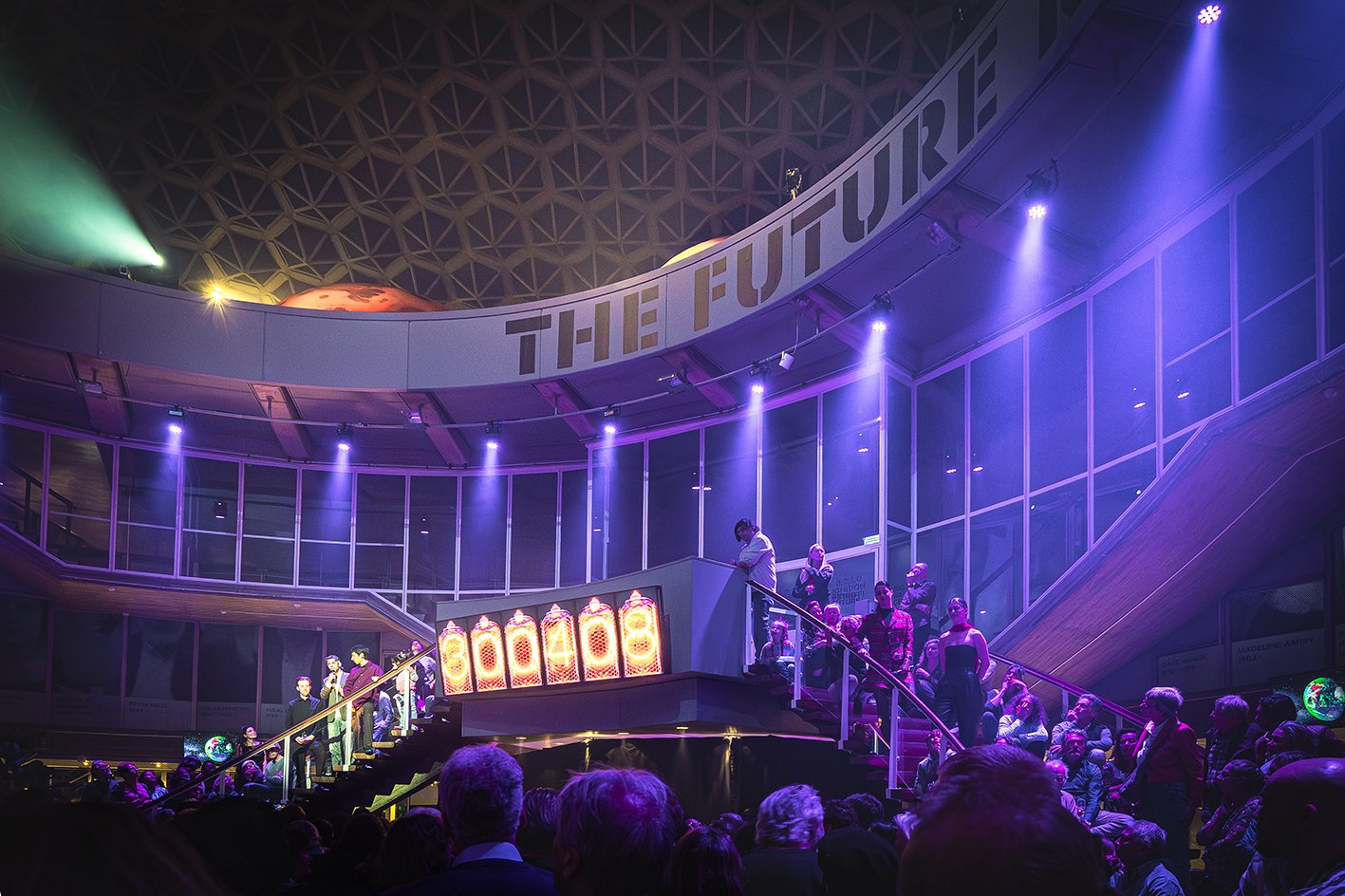
But PRELIFE does not just conduct research: it also explicitly seeks to connect with interested people outside of science. To that end, the consortium’s scientists teamed-up with the Next Nature science museum in Eindhoven, where the exhibition “Er was eens… de Aarde” (“Once upon a time… Planet Earth”) opened Saturday, February 28th. You can take an elevator down to the Earth’s core, travel billions of years into the future, and much more.
About PRELIFE
PRELIFE stands for Pathways, Reactions, and Environments leading to LIFE. “The origin of life is one of the greatest unsolved puzzles in science,” says Inge Loes ten Kate, member of the consortium from Utrecht University. “We do know roughly when life on Earth formed — somewhere between 4.5 and 3.5 billion years ago. Currently, two main scenarios exist: life may have begun on the ocean floor near hydrothermal vents, or near hot springs on the earliest land. To better understand which scenario is most likely, we first need to reconstruct what Earth looked like at that time, what environments existed, and which chemical reactions could have taken place there.”