
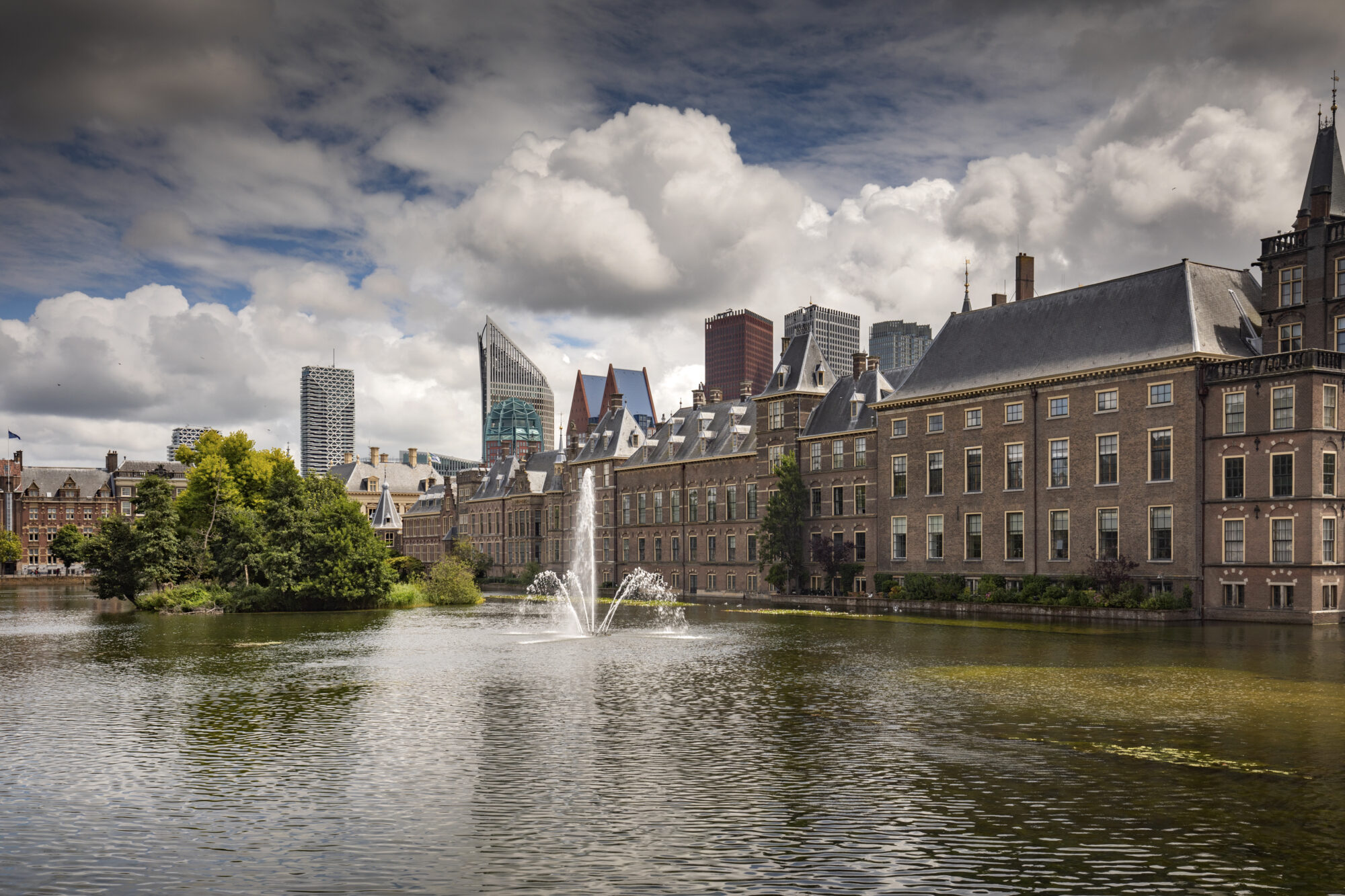
The first Dutch edition of the Europlanet Science Congress (EPSC) took place from 6-11 September in The Hague. A total of 1,203 participants (149 from The Netherlands) joined the congress in the wonderful Amare venue in the heart of The Hague.
Aside from the insightful and inspiring scientific programme, various activities straddled the event with opportunities to connect with other international participants. The local organising committee’s co-chairs Sebastiaan de Vet (TU Delft) and Inge Loes ten Kate (Utrecht University) submitted a bid to host the conference back in May 2024. After a year of preparations with the teams of Europlanet, The Hague & Partners, Copernicus and many more, they closed out the conference with a sense of accomplishment of this unique team effort.
Dutch community at large
A grand total of 1,203 participants (90 virtual) joined the congress in the wonderful Amare venue in the heart of The Hague. “We are very please with the high turn out of the Dutch community”, comments NPP-chair Sebastiaan de Vet. With 149 participants from various universities and institutes (31 from ESA-ESTEC), The Netherlands ranked as third largest cohort at the conference. De Vet: “It underlines the scale and breadth of the present-day planetary science community in the Netherlands”.
Connecting the city
Some of the LOC’s work included organizing the social dinner at Patagonia Beach, childcare by Double Daycare and the visit of The Hague’s mayor Jan van Zanen (view welcome message, and read his photo diary here) and the succesful NPP-sponsored pubquiz event with the EPEC early-career network. The comprehensive side-programme to connect the congress to the city was percieved by many as a highlight and a unique selling point of the congress, and it included an art exhibit, the interactive installation ‘Becoming Red Dust‘ and the performance of the Dwarf Planet Symphony in the public space Open Amare. With The Hague Planet Trail, created at the occasion of EPSC, a lasting walking route across the city continues to take visitors and residents along on a self-guided city walk through the Solar System to scale.